White House Pushes New Deal: AI Firms Must Pay Back Local Power Bills
The administration is urging tech giants to offset high energy costs for neighbors by sharing excess power, aiming to settle community complaints about noisy data centers.
By Daniela Vargas ·
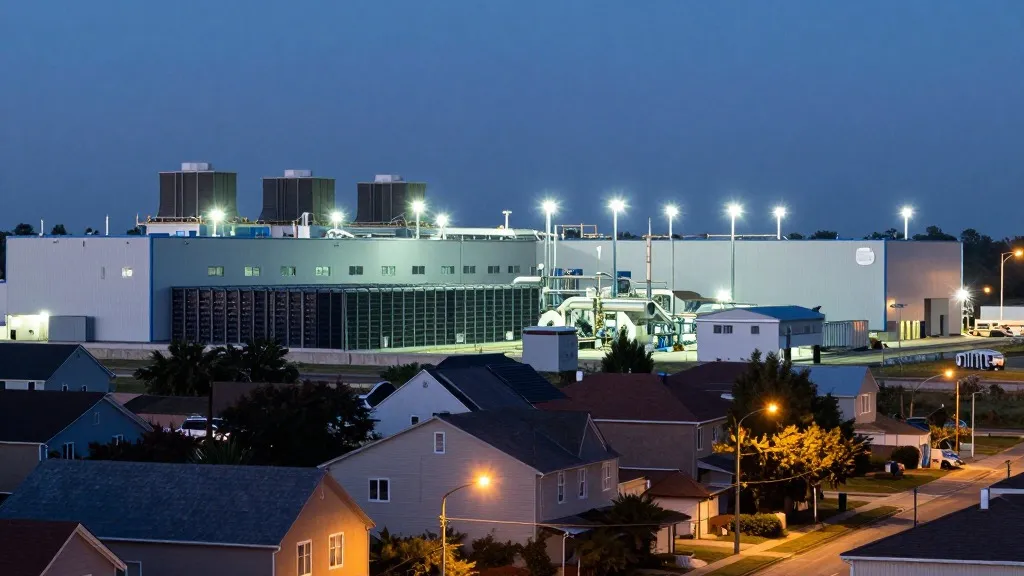
Tension has been building in towns across the country where massive new server farms are going up, often facing fierce resistance from residents. The core of the dispute is simple: these facilities consume enormous amounts of resources, and locals are left footing the bill for rising energy prices, noise, and strain on local infrastructure. To break this impasse, the White House has stepped in with a new directive aimed at making these projects more acceptable to the neighborhoods they occupy.
President Donald Trump announced via Truth Social that data center builders and major AI companies should be mandated to pay a dividend to the communities they affect. The goal is to use financial incentives to overcome price hikes or even drive down local costs, thereby making the presence of these centers less contentious. This move signals a shift in strategy, prioritizing local buy-in to keep construction moving forward.
The primary mechanism proposed is energy sharing. The administration has previously stated that these companies should generate their own electricity. Under the new call, any excess power produced by the data centers must be either given or sold back to the local community. This is intended to directly alleviate the burden of rising electricity bills that have become a major pain point for households living near these sites.
This approach ties into broader legislative efforts already in motion. A recently passed act requires data centers to cover the costs of necessary grid upgrades, preventing those expenses from falling on local taxpayers. By combining this with the new energy dividend, the administration hopes to create a financial buffer that protects residents from the usual economic downsides of hosting high-demand tech infrastructure.
The political calculus behind this move is clear: the United States is in a race with China to maintain the lead in artificial intelligence. The administration is eager to secure new facilities but is looking for ways to win back favor in communities that have grown tired of hosting them. By framing the energy exchange as a deal, the goal is to transform unpopular projects into welcome neighbors. As Trump noted in his post, data centers that were once highly unpopular in certain areas have become extremely popular once a financial deal is struck.
However, the practical execution of this mandate remains a work in progress. It is not yet entirely clear how the dividend will be structured or distributed. The focus on electricity suggests that the payments might take the form of partial offsets to utility costs. This would directly target the most immediate complaint from residents, who have seen their power bills climb in tandem with the expansion of nearby server farms.
Critics, however, point out that money is only one piece of the puzzle. While rising costs are a significant issue, they are not the only concern. Residents are also dealing with noise pollution, water shortages, air quality issues, and even deforestation in some areas. These ecological and sensory impacts remain major challenges that a simple financial dividend may not fully resolve. The question remains whether a check on the power bill will be enough to silence concerns about the environmental footprint of these massive facilities.
The administration’s stance is optimistic, urging companies to "MAKE DEALS, and get them built!!!" This directive suggests a preference for speed and expansion, relying on economic incentives to smooth over local friction. Whether this strategy will succeed in winning over skeptical communities remains to be seen, but the pressure on tech giants to provide tangible benefits to their neighbors is now officially part of the national conversation on AI infrastructure.
Source: Tom's Hardware