Federal Lighting Rules: Cyan Markers for Autonomous Cars
Regulators propose a uniform blue-green light to identify self-driving vehicles while removing obsolete requirements for manual controls.
By Mariana Delgado ·
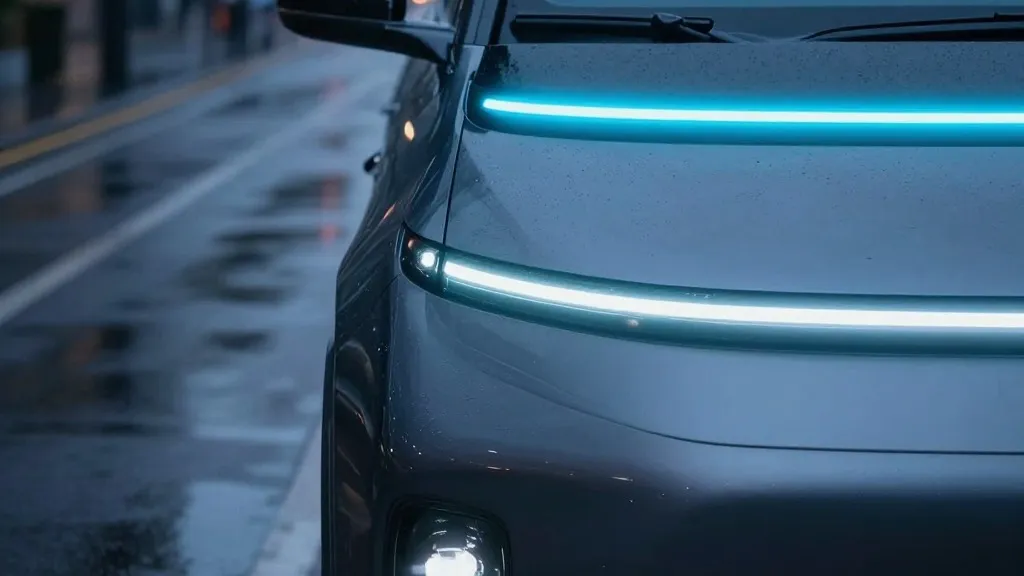
The National Highway Traffic Safety Administration has released a proposal that aims to standardize how driverless vehicles communicate their status to other road users. The core of this new guidance is a requirement for a distinctive blue-green light, or cyan marker, to indicate that an automated system is in control. This move provides a concrete answer to a debate that has persisted for years regarding how these cars should signal that no human is at the wheel. While previous discussions explored various methods like flashing text or audio alerts, the federal agency has settled on this specific visual cue to create a consistent national standard.
The proposal involves rewriting Federal Motor Vehicle Safety Standard No. 108 to better accommodate autonomous vehicles. The agency seeks to reduce regulatory friction for designs that do not include traditional human controls. By establishing clear rules for the color, brightness, and placement of these new lights, regulators hope to prevent a chaotic mix of signals from different manufacturers. This uniformity is intended to help law enforcement and other drivers quickly recognize when a car is operating in autonomous mode, thereby improving overall traffic safety and predictability on public roads.
The choice of cyan is not arbitrary but rather a strategic decision to fill a visual gap in the current traffic lighting system. The automotive industry already utilizes red, amber, white, and flashing blue or red lights for specific functions such as braking, turn signals, headlights, and emergency responses. By introducing a blue-green hue, the agency believes it can create a distinct signal that does not confuse existing traffic patterns. This approach ensures that the new lighting serves its purpose without overlapping with the meanings of lights that drivers are already familiar with.
There is some existing precedent for this type of lighting in the automotive sector. Mercedes-Benz previously received state-level approval to use turquoise lights on its Level 3 Drive Pilot vehicles. Although the automaker has since shifted its strategy toward a Level 2++ system, the initial approval demonstrated that such lights can be integrated into modern vehicle designs. The federal proposal now seeks to formalize this concept, allowing major operators like Waymo, Nuro, and Zoox, as well as manufacturers like GM and Mercedes, to adopt a single, consistent standard across the country.
Under the proposed rules, the installation of cyan marker lights would remain optional for manufacturers. However, if a company chooses to include them, they must adhere to the official federal specifications. This requirement ensures that any vehicle using the light does so in a legal and consistent manner. The goal is to avoid a situation where different automakers use varying shades or placements, which could lead to confusion on the road. By setting clear parameters, the agency aims to make the technology accessible and understandable for all road users.
The proposal also addresses several lighting requirements that are no longer relevant for vehicles without human drivers. Current regulations mandate the presence of physical hazard switches, manual beam shifters, and turn levers inside the cabin. The agency proposes to remove these requirements to streamline the design process for autonomous cars. Additionally, the update includes a revision to the 12.8-volt testing standard. This change allows automakers to design around modern LED architectures without facing unnecessary administrative hurdles, making it easier to build efficient lighting systems.
This regulatory update is part of a broader initiative by the Department of Transportation to facilitate the deployment of autonomous vehicles. The government is working to remove barriers that prevent the creation of cars without traditional controls like steering wheels and pedals. By updating the safety standards, regulators aim to create a clearer path for manufacturers to bring these new types of vehicles to market. This effort is designed to support the growing number of companies developing and testing driverless technology in urban environments.
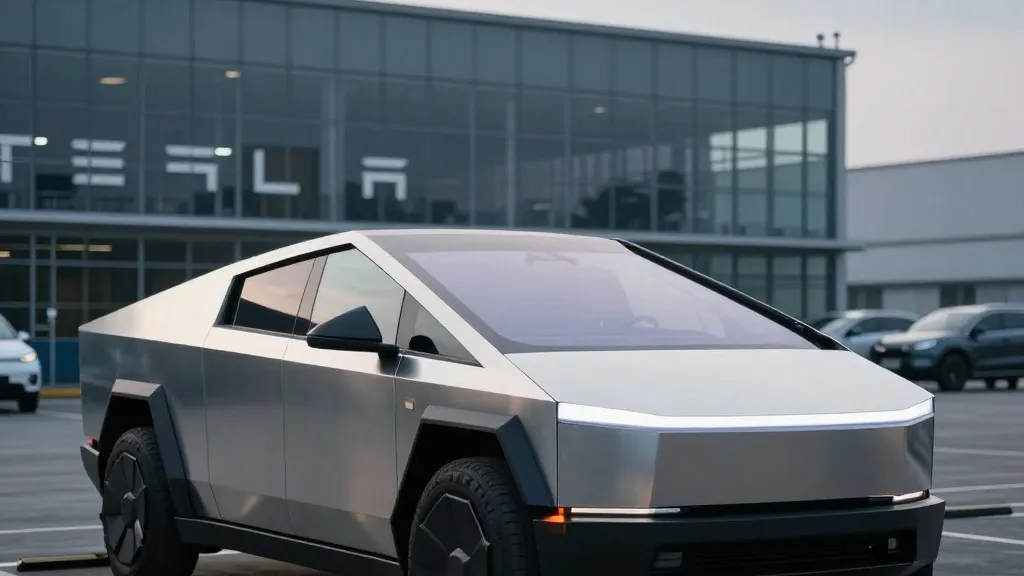
Despite these forward-looking changes, regulators are still enforcing existing rules strictly. Last month, the agency opened an audit query into the Tesla Cybercab. The investigation seeks to examine the technical data and processes Tesla used to certify the vehicle. The primary issue concerns the absence of specific design features such as sideview mirrors, pedals, and a steering wheel, which are currently required under the standard. This ongoing scrutiny highlights that while new rules are being drafted, current compliance remains a critical focus for all vehicle manufacturers.
The introduction of the cyan light proposal marks a significant step in the evolution of traffic signaling. It reflects a shift from ad-hoc solutions to a unified federal framework. As more autonomous vehicles enter the fleet, the need for clear and consistent communication methods becomes increasingly important. The proposed changes aim to balance innovation with safety, ensuring that the transition to driverless cars is both efficient and understandable for everyone sharing the road.
Source: The Verge