The pocket-sized music player that changed everything turns 25
Two decades and five years after its debut, the original iPod's 5-gigabyte storage and card-sized design remain a benchmark for portable audio.
By Amy Swan ·
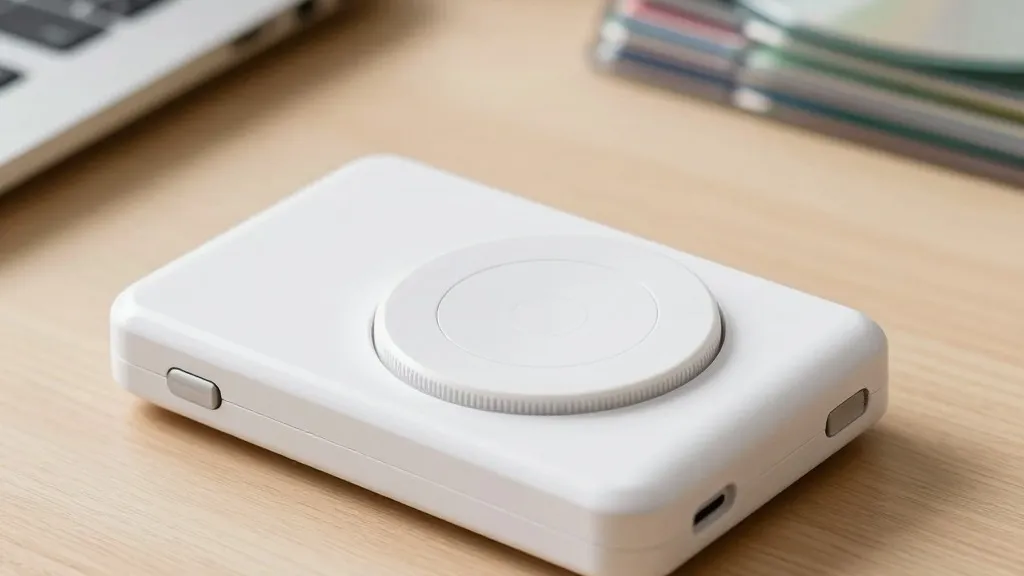
The first Apple iPod could hold 1,000 songs in a package no larger than a standard deck of playing cards. That specific storage capacity was the headline feature when Steve Jobs unveiled the device in October 2001, marking a significant shift in how people carried their music. The gadget launched at a price of $399 and quickly became the go-to device for fans of portable technology before smartphones eventually made such dedicated players obsolete.
At the time of its release, Apple was in a strong position. Jobs had successfully guided the company through the Mac OS X era, with products like the iMac and iBook already well established. The company was recovering from the difficult economic period following the dot-com bubble burst. Jobs envisioned the Mac as the central hub for all digital media, including cameras, camcorders, and DVD players. He reasoned that music was a universal passion and a large market that lacked a clear leader, making it the ideal entry point for a new product.
Jobs acknowledged that competitors like Sony, Creative, and Sonic Blue already offered portable digital music players. However, he told the audience at the launch event that none of them had yet found the right formula for digital music. There were four main types of players on the market then: CD players, MP3 CD players, flash-based players, and hard disk-based jukeboxes. Jobs decided to enter the market with the hard disk option, which offered the most storage in the smallest form factor.
The physical design of the iPod was made possible by a new ultra-compact hard drive from Toshiba. This drive measured 1.8 inches in diameter and was only 0.2 inches thick. The finished device measured 2.4 by 4 by 0.78 inches and weighed just 6.5 ounces. Jobs noted that it was lighter than most cell phones of that era. Despite its small size, the player included advanced features such as 20-minute skip protection and fast file transfer speeds.
A key selling point was the use of a single FireWire 400 cable for both charging and data transfer. Apple claimed this was the first music player to use this connection. According to the presentation, transferring an entire CD of music to the iPod took only five to 10 seconds. In comparison, USB connections at the time could take up to five minutes for the same task. Filling the entire 1,000-song library took about 10 minutes on the iPod, whereas a USB-based player might take five hours.
The device featured a rechargeable lithium-polymer battery that provided 10 hours of continuous playback. Apple stated that the battery could recharge to 80 percent capacity in just one hour. The design focused on ease of use, with a minimal aesthetic and durable materials. The controls were designed for one-handed operation, featuring a scroll wheel with tactile feedback that allowed users to quickly find songs by playlist, artist, or title. The first song demonstrated on stage was Building a Mystery by Sarah McLachlan.
The iPod also introduced an Auto-Sync feature with iTunes, which launched on the same day. This allowed users to keep their music libraries perfectly synchronized between their Mac and the portable player whenever they connected the device for charging or transfers. The iPod could also function as a standard FireWire hard drive. The first iPhone did not arrive until early 2007, more than five years later. The two devices coexisted in Apple's lineup for over a decade. The iPod's relevance gradually declined, with the final model, the 7th-generation iPod Touch, released in May 2019. Apple officially discontinued the product line in May 2022.
Source: Tom's Hardware