Nvidia CEO's Viral Moment Drives Microduck Preorders Past 20,000 Units
A brief demonstration at GTC Berlin turned a small robot duck into a holiday favorite, with industry leaders predicting it could be the year's top-selling robotic device.
By Min-jun Kim ·
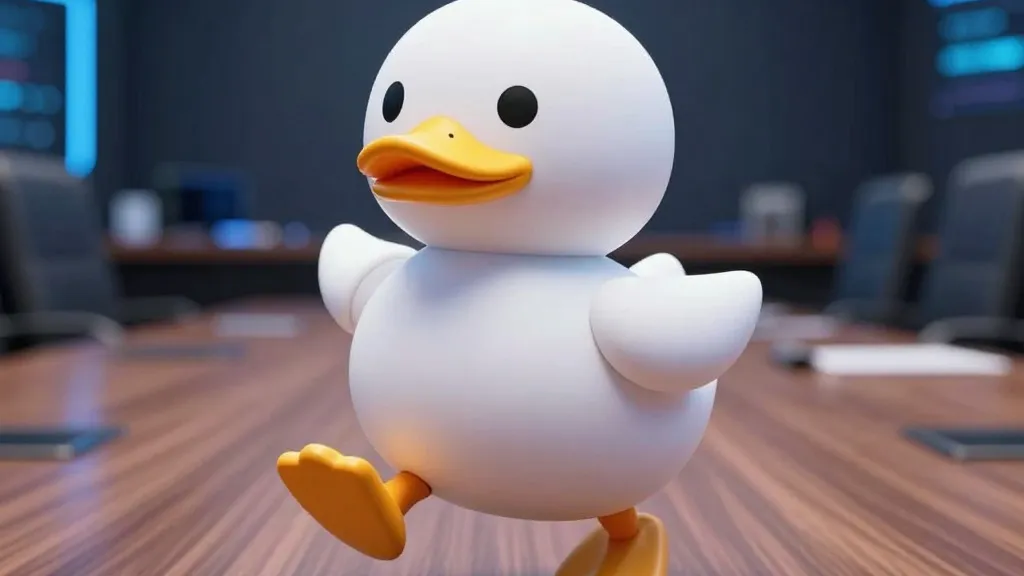
The number 20,000 has quickly become the defining metric of a viral moment that unfolded earlier this week in Berlin. By the day after Nvidia CEO Jensen Huang took the stage at the GTC conference, preorders for a small, waddling robot duck had already surpassed that mark. The surge in demand was triggered by a video showing Huang interacting with a flock of these devices, which captured the attention of the tech world and beyond.
The robots, known as Microducks, performed a series of charming actions during the keynote demonstration. They stomped their feet, emitted small noises reminiscent of the droid R2-D2, and responded to voice commands by sitting, lying down for a simulated nap, or performing somersaults. Clem Delangue of Hugging Face confirmed the preorder milestone in a social media post, noting the rapid uptake following the public reveal.
With delivery expected in time for the holiday season, the Microduck is positioning itself as a potential holiday standout. Delangue has suggested that the device could end up being the best-selling robot of the year. He noted that the appeal may extend beyond the traditional toy market, as promotional materials feature adults engaging with the devices, indicating a broad demographic interest.
The ownership structure of the Microduck reveals a complex recent history in the tech sector. The devices are open source products originally created by Pollen Robotics. That company was acquired by Hugging Face in 2025. Subsequently, Nvidia purchased Hugging Face in September of this year, making the Microduck effectively an Nvidia product through this chain of acquisitions.
This is not the first robotic offering from the Hugging Face portfolio, which also includes the Reachy Mini. The Microduck, however, distinguishes itself through its specific training methodology. It was developed using Nvidia's technology stack. During the development process, simulations of the duck were taught basic behaviors such as walking, sitting, and standing. These pre-loaded tricks are what ship with the physical units available to consumers.
Pollen Robotics has highlighted the flexibility of the device for its users. Owners are not limited to the pre-installed behaviors. The company states that users can train their specific robots to perform new tricks. Furthermore, these custom behaviors can be shared with the wider community, fostering a collaborative environment around the hardware.
The timing of this viral success is notable within the broader context of the AI industry. Earlier this week, the sector faced scrutiny as AI involvement was cited in a series of cyberattacks. These incidents cast a shadow over the technology, highlighting its potential for disruption. Against that backdrop, the lighthearted nature of the Microduck video offered a contrasting narrative. It demonstrated that AI technology can also be accessible and entertaining, providing a respite from the more serious concerns dominating industry headlines.
As the holiday season approaches, the Microduck's trajectory suggests it may become a cultural touchstone. The combination of celebrity endorsement from a major tech figure, a cute aesthetic, and open source flexibility has created a unique market position. Whether it maintains its momentum as a best-seller or serves as a temporary viral sensation remains to be seen, but the initial response indicates a strong appetite for interactive, consumer-facing robotics.
Source: TechCrunch