Apple's Foldable Frenzy Forces 40% Supply Surge Amidst Shipping Delays
Surging pre-orders for the iPhone Duo have prompted Apple to significantly raise production targets, resolving early confusion over whether delays were caused by scarcity or demand.
By Brianna Jackson ·
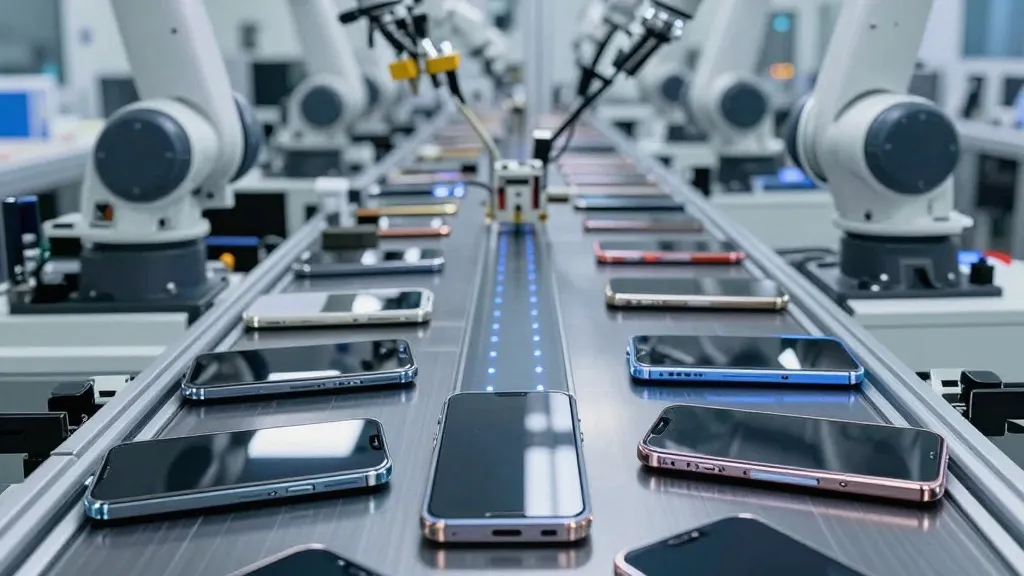
The launch of Apple’s first folding smartphone has triggered an immediate strain on the supply chain, forcing the company to increase production orders by more than 40% to meet unprecedented consumer interest. This rapid escalation in manufacturing targets marks a significant shift in Apple’s operational planning, as the tech giant scrambles to fulfill demand that has outpaced its initial logistical projections for the new device.
The tension between available stock and consumer appetite became apparent almost instantly when pre-orders opened on Friday. Within minutes of the launch window opening, customers were presented with delivery estimates that extended into late January. At the time, it remained unclear whether these delays were the result of a supply-side bottleneck or a genuine surge in interest. However, the latest supply chain data strongly indicates that the latter is the primary driver, validating Apple’s characterization of the response as "extraordinary."
To manage the initial wave of orders and mitigate the risk of scalping, Apple implemented a strict limit of two units per customer. While this measure helped organize the sales process, it did not prevent the initial slipping of delivery dates. As the situation evolved, some early adopters began receiving revised shipping schedules that were significantly earlier than the initial estimates, a change that aligns with reports of a production ramp-up.
According to a report from DigiTimes, which cites sources within the supply chain, Apple has aggressively raised its shipment targets for the iPhone Duo. The company originally anticipated shipping 9.7 million units over the first twelve months. Given the current trajectory of pre-orders, that figure has been boosted to 14 million units. This adjustment underscores Apple’s confidence that the strong demand will persist beyond the initial launch period, requiring a sustained increase in manufacturing output.
Despite the hardware success, the software ecosystem is still catching up. Early users have noted that third-party applications are not yet fully optimized for the new folding form factor. Apple has stated that the situation is improving rapidly as developers prioritize the new device for updates. Initial reviews based on a week of usage have consistently highlighted app support as a key area of focus, alongside other user experience considerations.
One of the more discussed aspects of the iPhone Duo’s design is the decision to utilize Touch ID rather than Face ID. While this choice has been a point of conversation among early reviewers, industry reports suggest that Apple is already looking toward the future. The company is currently testing prototypes for the iPhone Duo 2, which are reportedly being equipped with Face ID technology, signaling a potential return to the facial recognition system in the next iteration of the foldable line.
The situation in the Great Lakes and Ohio Valley markets mirrors the national trend, with local retailers and service centers bracing for a higher volume of new devices and associated support queries. As Apple continues to scale up production, the focus now shifts to ensuring that the supply chain can maintain the new 14 million unit target without further delays.
Looking ahead, the next few months will be critical for Apple as it balances the increased production load with the ongoing development of the software ecosystem. The success of the iPhone Duo will not only be measured by unit sales but also by the speed at which the app ecosystem adapts to the unique hardware capabilities of the folding phone.
Source: 9to5Mac