Amazon Abandons AI Data Center Plans in Virginia for Housing
Following intense local opposition, the tech giant will convert a 122-acre site in Loudoun County into mixed-use residential spaces and a community arts center instead of four new computing facilities.
By News Media House Staff ·
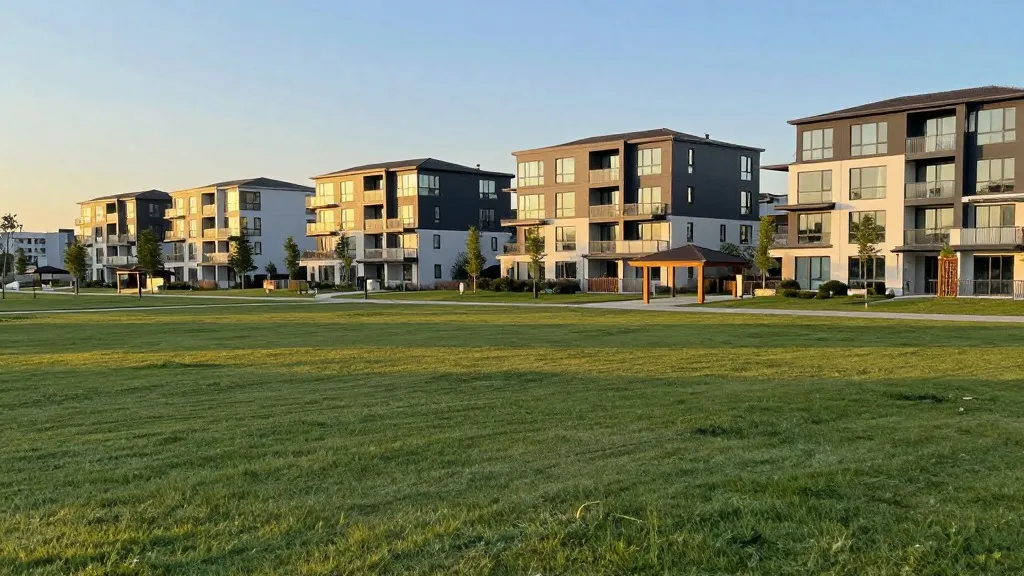
A major tech giant has officially pulled the plug on its plans to build four new data centers in Northern Virginia, opting instead to develop the land for housing and community use.
Amazon has announced it will no longer construct the four facilities on the former George Washington University campus in Loudoun County. The decision comes after significant pushback from local residents who were concerned about the environmental and logistical impacts of the project. The company will repurpose the majority of the 122-acre property for mixed-use and residential development, marking a distinct shift from its initial proposal submitted in July of this year.
The first key element of this new arrangement involves a substantial land donation to the local government. Amazon will transfer 25 acres of the property to Loudoun County for the construction of a community arts center and a new recreational facility. This move aims to provide residents with new public spaces for gathering and recreation, addressing some of the community's desires for improved local amenities that the data center plan did not prioritize.
The second major component is a financial contribution to address local housing needs. The company will donate $5 million to the county’s housing fund. This funding is intended to help make housing more attainable for working families in the area, a critical concern for many locals who felt that the rapid development of tech infrastructure was outpacing the availability of affordable living spaces.
The third aspect of the agreement highlights a preference for negotiation over legal battle. Josh Weissman, Amazon’s vice president of data center development, stated that while the company initially saw strong development potential in the site, it acknowledged the county’s specific concerns. Weissman noted that the company concluded a shared vision for the campus was a better outcome than engaging in costly litigation, allowing both parties to move forward with a joint plan for the land.
This pivot occurs against a backdrop of rising tension between tech expansion and local communities. Loudoun County, often referred to as "Data Center Alley," already hosts the largest concentration of data centers in the world. Residents have grown wary of the noise, energy consumption, and strain on local infrastructure that these massive facilities require. The increasing demand for AI computing power has intensified these concerns, leading to a more cautious approach by county officials toward new buildouts.
The situation reflects a broader national conversation about the footprint of AI infrastructure. Just days before this announcement, President Donald Trump called for data center builders and AI hyperscalers to pay dividends to local communities to offset energy-related price increases. He suggested that these facilities should generate their own electricity and sell or give back excess power to the grid, a move aimed at mitigating the impact on local utility rates.
Loudoun County officials have framed the outcome as a success of dialogue rather than confrontation. Phyllis J. Randall, the Board of Supervisors Chair, stated that by choosing dialogue, the county and Amazon created an opportunity for residents to gain new gathering spaces and more attainable homes. The agreement serves as a notable case study in how large-scale tech projects are being reshaped by local community demands and shifting political priorities regarding energy and housing.
As the tech industry continues to expand its physical footprint, this development signals that location and community support are becoming just as important as technical capability. For readers in the Great Lakes and Ohio Valley, the trend suggests that future tech expansions in their regions may face similar scrutiny regarding noise, power usage, and local benefits, potentially leading to more mixed-use developments in place of pure industrial infrastructure.
Source: Tom's Hardware